
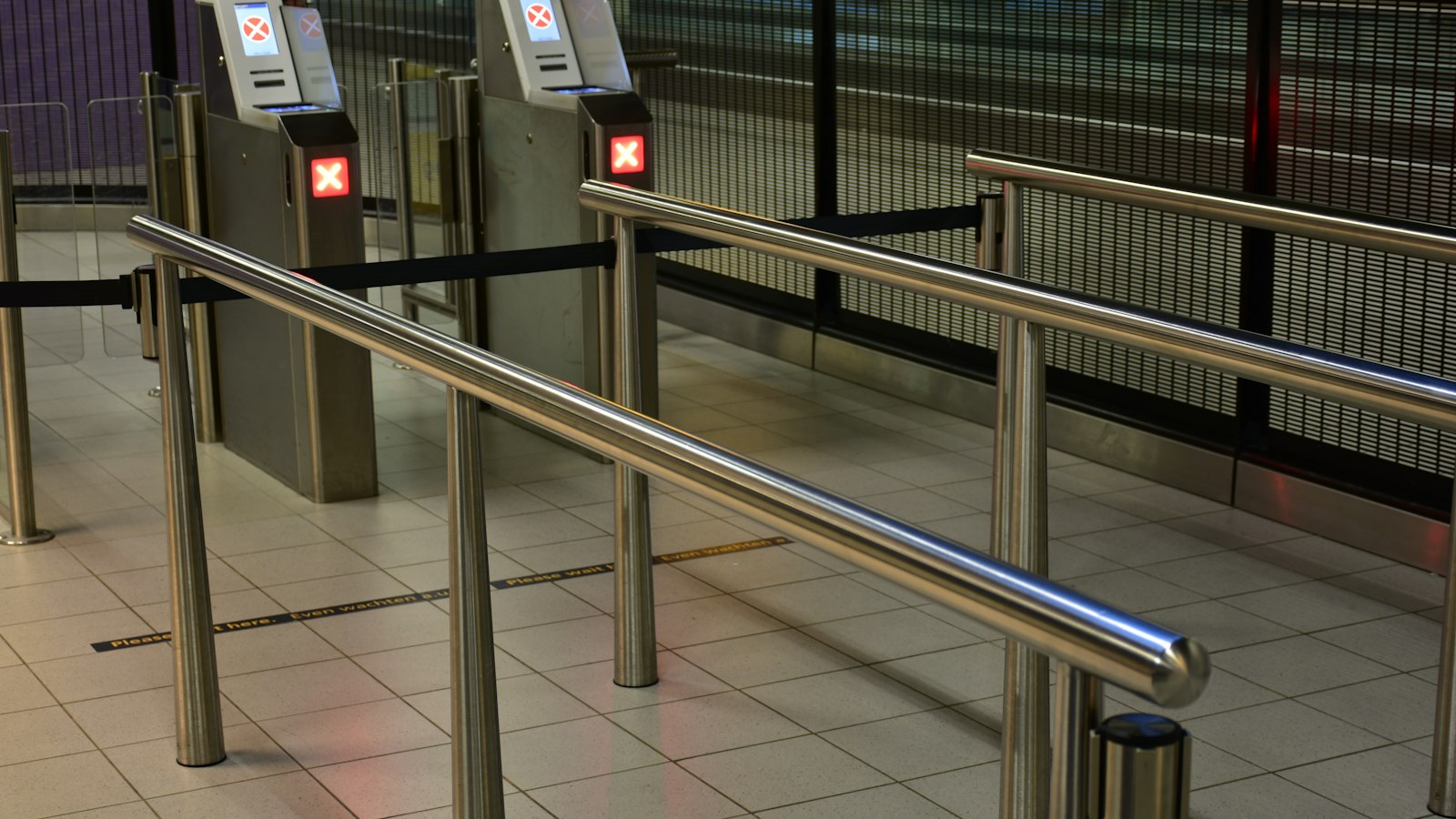
The gate is the first place security succeeds or fails. For vehicles, that usually means a boom barrier. For people, it means a turnstile or a speed gate. Choose well and you control entry smoothly. Choose badly and you create queues, safety risks or a barrier that someone walks around. This guide explains the main types and how to decide.
Key takeaway: size the barrier or turnstile by how many vehicles or people must pass at your busiest hour, then add integration, safety sensors and an emergency release. Throughput and safety come before looks.
Types and where each fits
Vehicle control
- Boom barriers. A pole that lifts and lowers across the lane. The standard choice at office, residential, factory and parking entrances. Faster models suit high traffic, and longer booms suit wider lanes.
- Sliding and swing gates. Better for perimeter security where a boom is too easy to bypass, but slower to open.
- Road blockers and bollards. For high-security sites that must stop vehicles physically.
Pedestrian control
- Tripod turnstiles. Compact and economical, widely used at offices and factories. They allow one person at a time and are not suited to heavy luggage.
- Full-height turnstiles. Fit outdoors and high-security perimeters, because they are difficult to climb or jump.
- Flap and swing barriers (speed gates). Fast and smooth, favoured in corporate lobbies. They work well with a good reader and have a sleeker look.
- Wide-lane gates, for wheelchair users, trolleys and people with luggage.
Throughput
Estimate peak arrivals, for example the 15 minutes at shift change, and check the manufacturer's passing rate for that model. A single tripod at a gate with a thousand people arriving together produces a queue.
Integrating with RFID, ANPR and visitor management
- RFID cards and tags. The usual way to open a boom barrier or turnstile for staff. Long-range RFID can read a windscreen tag so vehicles pass without stopping.
- ANPR (number plate recognition). A camera reads the plate and checks it against a list. It helps with logging and with automatic entry for known vehicles.
- Biometrics. Fingerprint or face readers at turnstiles tie each pass to a person. Our guide to biometric access control compares the options, and face recognition for attendance and access covers that choice in detail.
- Visitor management. Pre-registration, printed passes or QR codes that open the gate for a limited time.
- Software. A central platform should log every entry, and ideally match vehicles and people to schedules and permissions.
Gates are one part of a larger design. See how they connect with fire alarm, CCTV and other systems in our guide to integrated fire and security systems.
Civil, power and safety considerations
- Foundation and civil work. Barriers and turnstiles need solid plinths and conduits. Plan these before the road or floor is finished.
- Power and cabling. A reliable supply, with a battery or UPS so gates behave predictably in a power cut.
- Vehicle loops and photocells. A loop under the road or a pair of photocells prevents the boom from lowering onto a vehicle.
- Safety edges and sensors. For pedestrians, sensors stop a flap or arm from closing on a person.
- Emergency release. Turnstiles must open for escape in a fire. Check that they release on a signal from the fire alarm and when power fails, and that there is a separate escape gate for wheelchairs and emergencies.
- Signage and lighting, so drivers and visitors know what to do.
- Lane layout. Allow queuing room so that vehicles do not block the road outside.
Maintenance needs and cost factors
Maintenance
- Barrier motors, gears and arms are mechanical parts that wear with every cycle, especially in high-traffic gates.
- Regular lubrication, adjustment and cleaning of sensors keeps them reliable.
- Readers, controllers and software need checks and updates.
- Keep spare parts and agree a response time with your service provider.
Cost factors
- Type and size of the barrier or turnstile, and its duty rating for daily cycles.
- Number of lanes.
- Readers, ANPR cameras and software.
- Civil, electrical and cabling work.
- Installation conditions such as outdoor exposure and dust.
- Annual maintenance.
The right answer starts with a survey, because lane width, traffic and civil conditions change the equipment and the price.
Talk to KBI
Book a gate and entry-point survey. KBI's engineers will measure your lanes, count peak traffic and recommend barriers or turnstiles with the right readers and safety features. See our Access Control System page or contact us.