Face recognition is now a common way to mark attendance and open doors in Indian offices, factories and schools. It is quick, touch-free and hard to cheat by buddy punching. But prices vary widely, accuracy depends heavily on how you set it up, and the law on personal data has changed. This guide covers what you need to know before you buy.
Key takeaway: price is driven by the terminal, the number of users, the software and integrations. Accuracy depends on lighting and enrolment quality. And because faces are personal data, consent and secure handling are part of the system, not an afterthought.
Terminal-based vs CCTV-based face recognition
Terminal-based
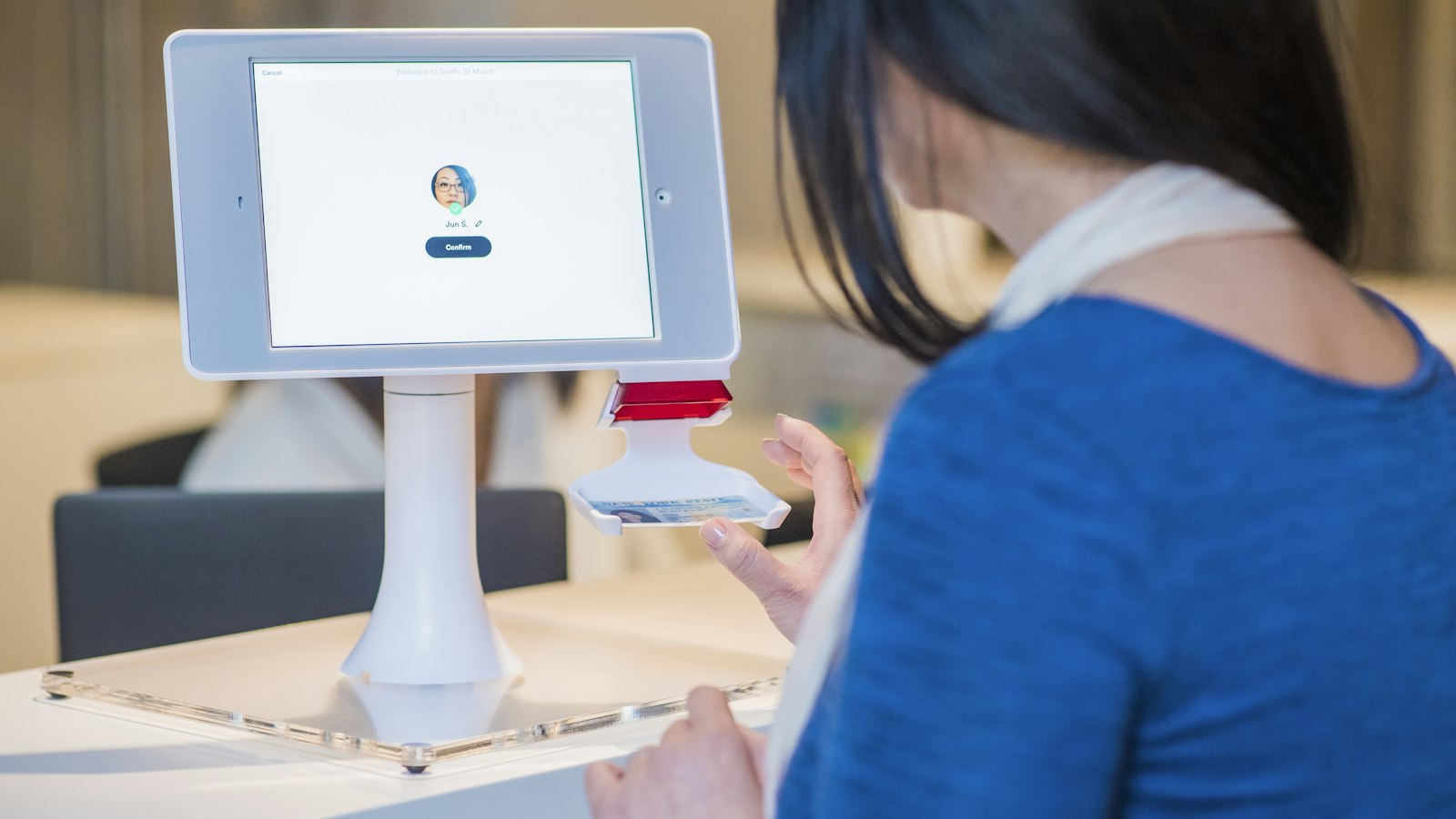
A dedicated device at the door captures your face from a short distance, compares it with stored templates and marks attendance or releases the lock. It is designed for this job, with a camera, lighting and processing built in, and it usually gives the most dependable results at entrances.
CCTV-based
Standard cameras feed video to software that detects and matches faces. This can identify people in a larger area, but accuracy depends on camera angle, distance and lighting, and it needs more setup. It suits some monitoring uses, but for attendance and door access a terminal is generally more reliable.
For more on the camera-based side, see our guide to CCTV video analytics, which explains what camera software can and cannot do.
What drives the price
- Terminal quality. Camera, processor, display and build quality. Outdoor or high-traffic models cost more than basic indoor ones.
- Number of users. Terminals and software are licensed or limited by the number of faces they can store.
- Software licence. Basic attendance reports may be included, while advanced features such as multiple sites, shift rules and dashboards can be extra.
- Integration. Connecting to payroll, HR software or an access control system takes setup time.
- Door hardware, if the terminal also controls entry: locks, power supplies and exit buttons.
- Installation and support, including network setup, training and service after installation.
We do not quote prices here, because they depend on these factors and change over time. Ask for a quotation that lists each one separately.
What affects accuracy
- Lighting. Strong backlight, direct sun and deep shadows confuse cameras. Place terminals where the light on faces is even.
- Mounting height and angle. The device should be at a height that suits most users, with a clear view of the face.
- Enrolment quality. A good enrolment photo, taken in normal light with a neutral expression, makes later matching far more reliable.
- Masks and glasses. Many modern terminals handle masks and spectacles, but test this with your own users.
- Liveness detection. This checks that a real person is present rather than a photo or video. Ask whether the terminal includes it and how it works.
- Changes over time. Beards, weight changes and age can reduce matching. Plan to re-enrol people when needed.
Whatever the vendor claims, ask for a live demo with your own staff, at your own entrance, at the times of day when light is worst.
Privacy and consent obligations
A face template is personal data, and in India that data is covered by the Digital Personal Data Protection Act, 2023. Have your legal adviser confirm how it applies to your organisation, and keep these practical points in mind:
- Tell people. Explain what is collected, why and for how long it is kept.
- Get consent in a clear form, and offer an alternative, such as a card, where it is reasonable to do so.
- Collect only what you need. Use the data for attendance or access, not for unrelated purposes.
- Secure it. Ask how templates are stored (many systems store templates rather than photos), whether they are encrypted and who can access them.
- Set a retention rule, and delete data when someone leaves.
- Know where the data lives. On the device, a local server or a cloud service?
Face recognition is one credential among several
Faces work well at some doors and poorly at others. Fingerprints, cards and mobile credentials each have strengths, and many sites use a mix. Our guide to biometric access control in Thane and Mumbai helps you match the credential to the door. If your concern is vehicles or crowds, see boom barriers and turnstiles too.
Talk to KBI
Book a live demo of face recognition at your entrance. We will bring a terminal to your site, test it with your staff in your lighting and explain the pricing factors for your user count. See our Face Detection System Using CCTV and Access Control System pages or contact us.