
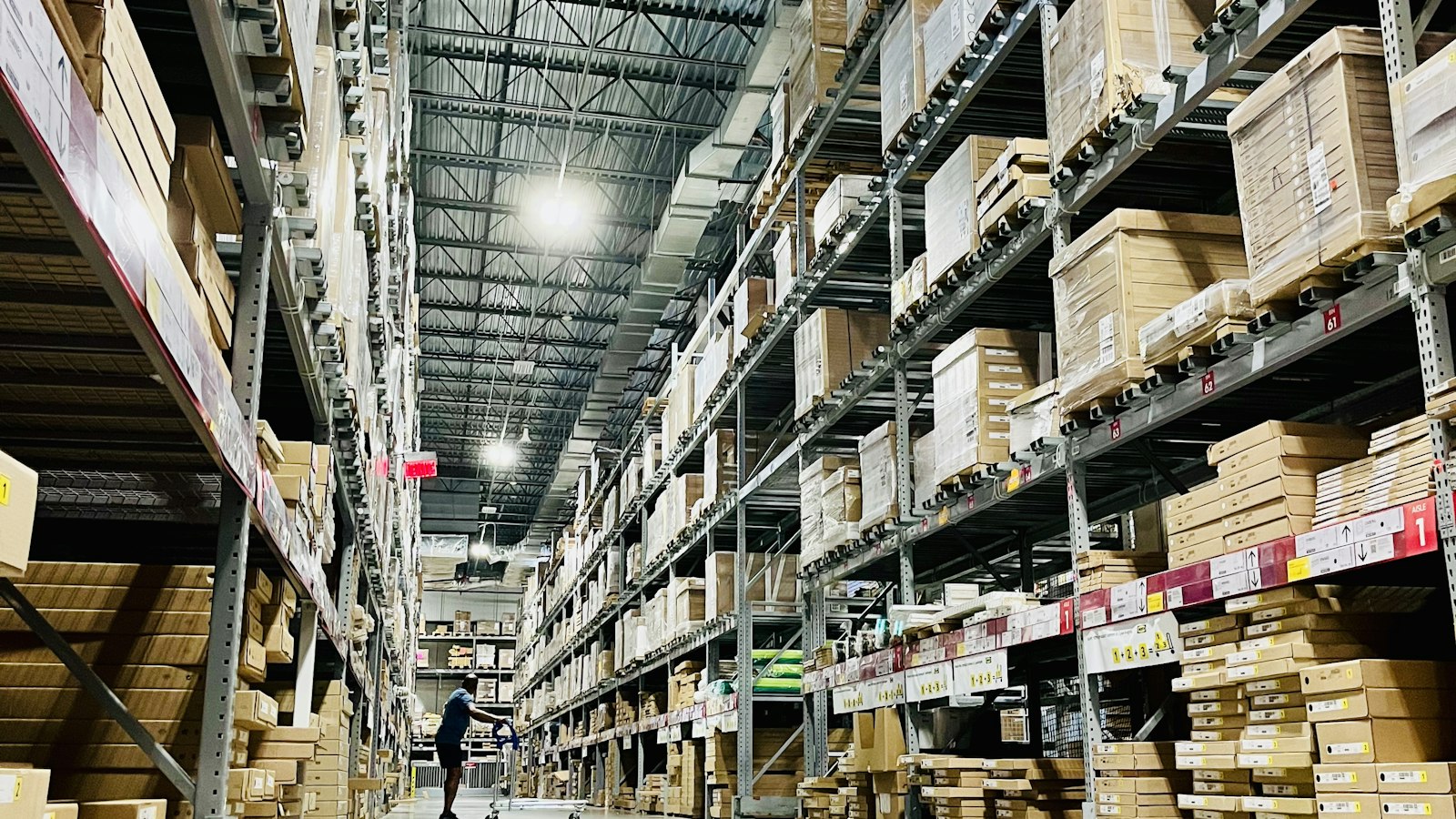
Most warehouse cameras record what happened after the fact. Someone reviews footage once the stock is missing or the gate was left open. Video analytics changes that by watching the feeds continuously and alerting a person when something unusual happens. It can be genuinely useful, and it is also routinely oversold. This guide explains what it can and cannot do in a warehouse.
Key takeaway: analytics turns cameras from a record into an alert system, but only when the scene, lighting and alert process are designed for it. Start with a pilot on your worst problem, not a site-wide rollout.
What analytics actually detects
Modern analytics software is good at a small set of well-defined tasks.
- Intrusion. A person or vehicle entering a defined area, such as a yard or fence line, especially after hours.
- Loitering. Someone staying in a monitored area longer than a set time, for example near a loading dock at night.
- Restricted zones. People entering areas they should not, such as a high-value cage or a hazardous zone.
- Line crossing and direction. Counting or flagging movement through a doorway or against a one-way flow.
- PPE checks. Detecting whether people in a zone are wearing helmets or high-visibility vests, which is useful for safety audits.
- Vehicle and number plate reading at gates, to log arrivals and departures.
What it cannot do
Be wary of anyone who promises more than this.
- It does not understand intent. It sees a person standing still, not a person planning a theft.
- It cannot see what the camera cannot see. Poor lighting, glare, rain, dust and blocked views all reduce results.
- It is not a replacement for guards, locks and procedures. It is a way to point them at the right place sooner.
- It will produce false alerts. Moving shadows, insects near the lens, swaying branches and reflections all cause them, and good tuning reduces but does not remove them.
Can you reuse your existing cameras?
Often yes, but not always. Check these before you buy anything new:
- Camera type. IP cameras can usually be connected to analytics software. Older analog cameras may need encoders, and some will not be worth the effort.
- Resolution and field of view. A person needs to appear large enough in the picture for the software to recognise them. Wide views of a big yard may not work from an old low-resolution camera.
- Lighting. Infrared night vision is fine for many tasks, but backlighting, glare from vehicle headlights and deep shadows are problem areas.
- Mounting. Cameras swaying in the wind or aimed through glare will give poor results.
- Bandwidth and processing. Analytics can run on the camera, on a local server or in the cloud. Each choice affects network load and cost. Plan for it before installation.
If you are still planning your basic camera layout, our CCTV installation buyer's guide covers camera count, placement and storage.
Alert workflow and alert fatigue
The most common way analytics fails is not a technical fault. It is that nobody acts on the alerts. Design the workflow before you switch the system on.
- Decide who receives each alert. The security supervisor, the control room or a mobile phone on the night shift. Do not send everything to everyone.
- Send a snapshot or a short clip with each alert, so the person can decide in seconds whether it is real.
- Limit rules to what matters. A few well-tuned rules, such as after-hours intrusion in the yard, beat dozens of vague ones.
- Use schedules. A rule that is useful at night is noise during the day.
- Review and tune weekly at first. Look at which alerts were false and adjust zones and sensitivity.
- Define the response. Who goes to check, who is called and how it is logged?
Analytics works best as part of a wider design, where alerts also link to alarms, lights or access control. See our guide to integrated fire and security systems for how these connections are made.
Realistic accuracy and a pilot approach
No honest vendor will promise perfect accuracy on your site before testing it. Accuracy depends on the scene, so measure it there.
- Pick one problem. For example: after-hours intrusion at the rear yard, or people entering the high-value zone.
- Select two to four cameras covering it, and fix any lighting or mounting issues first.
- Run the pilot for several weeks, including nights and bad weather.
- Record the results. How many real events were detected, how many were missed and how many false alerts occurred?
- Decide with data. Expand, tune further or stop.
A related technology is face detection, which has additional privacy and accuracy considerations. If it is part of your plan, read our guide to face recognition for attendance and access control.
Why an integrator rather than a software vendor
Analytics software only works as well as the cameras, network and processes around it. An integrator designs the whole chain: camera selection, lighting, cabling, storage, analytics setup and the alert workflow, and then supports it after installation. That matters more than the choice of algorithm.
Talk to KBI
Request a camera and analytics audit of your site. We will review your existing cameras, identify which can be reused, and propose a focused pilot. See our Video Surveillance & Analytics page or contact us.